
Plastic Carry Handles That Make Your Packaging Easy to Carry
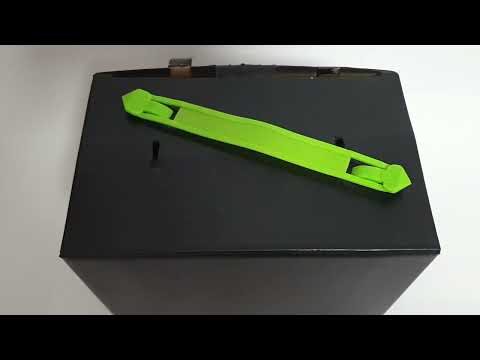
A plastic carry handle for packaging is a portable grip designed to snap onto or fasten around boxes, bottles, or bags, making bulky or heavy loads easier to carry by redistributing weight into your palm. This simple but clever addition transforms awkward containers into comfortable, one-handed carries, preventing spills or drops during transport. The real value lies in how it turns standard packaging into a convenient tote without requiring tape or tools, just a quick press or clip to attach it securely. Whether for a six-pack of soda or a large pet food bag, you just snap it on and lift with confidence.
Why Handles Elevate Packaging Functionality
A plastic carry handle for packaging directly transforms a static container into a portable asset by redistributing weight away from the box’s weak seams and onto the user’s hand, reducing the risk of bottom failure. This ergonomic upgrade allows for single-handed lifting, which is critical when carrying bulky or heavy products like cat litter or beverage packs. The handle’s rigid, molded structure provides a secure, non-slip grip that prevents accidental drops during transit from shelf to home. Without this feature, users must rely on pinching the box sides, which increases strain and catastrophic spillage.
The real functional value lies in how a handle converts a two-handed struggle into a one-handed carry, directly improving user safety and convenience with every lift.
Improving portability for bulk and heavy containers
For bulk and heavy containers, a plastic carry handle engineered for weight distribution is transformative. Instead of struggling to grip a wide, slippery drum or tote, a molded handle provides a secure, central lifting point that balances the load. This minimizes strain on wrists and fingers, turning an awkward two-person tilt into a controlled one-person carry. The handle’s ergonomic curve wraps around the hand, preventing the rigid container edges from digging in during transport. This focused engineering means moving a full 20-liter water jug or a heavy chemical pail from the cart to the counter becomes a seamless motion, not a risk of dropping.
Q: How does a plastic carry handle specifically prevent a large container from tipping during transport?
A: By integrating a reinforced, stabilized grip point directly into the container’s center of gravity, the handle neutralizes the swing and momentum that causes bulk containers to become unsteady, making every maneuver predictable and secure.
Enhancing consumer convenience during transport
Plastic carry handles transform bulky or awkward packaging into a single, balanced unit, letting shoppers effortlessly manage multiple bags during transit. This eliminates the struggle of cradling heavy boxes or balancing slippery containers, freeing hands for keys or doors. The ergonomic grip reduces finger strain, making long walks from the car more comfortable. A firm, integrated handle prevents packages from twisting or swinging, minimizing accidental collisions in crowded spaces. Q: How does a handle reduce transport fatigue? By distributing weight away from your palm into a secure, non-slip hold, it reduces muscle tension and allows a relaxed, natural carry motion.
Reducing spill risk through secure carrying points
Secure carrying points dramatically reduce spill risk by distributing weight evenly and preventing container tilting. A rigid, ergonomic handle structure locks into the packaging, eliminating the single-point strain that causes flexing and accidental releases. The wrap-around design or snap-fit connector ensures the handle stays fixed, even during sudden movements or collisions. This stability keeps the container upright, while the handle’s curved grip discourages awkward wrist angles that could tip the load. By directing the carrying force directly through the package’s center of gravity, controlled transport becomes effortless, ensuring liquids or loose contents remain undisturbed from checkout to destination.
Types of Carry Solutions for Boxes and Bottles
For boxes, plastic carry handle for packaging solutions include foldable strap handles that lay flat for shipping but snap into a rigid position when lifted, distributing weight evenly across the box’s sides. Bottles often use a flexible ring handle that wraps around the neck or a clip-on top handle that locks under the cap for a secure, single-hand grip. Multi-pack solutions feature a centralized bridge handle that connects to a perforated cradle, cradling bottles by their necks to prevent tipping. Some designs integrate a side-grip pocket into the bottle’s shoulder, allowing fingers to hook directly into the plastic molding for carrying without an external attachment.
Integral die-cut handles made from corrugated board
Integral die-cut handles made from corrugated board offer a monolithic carry solution by cutting a grip directly into the corrugated panel, eliminating the need for separate plastic attachments. This design leverages the board’s structural flute rigidity to support moderate loads, typically up to 2–3 kg, depending on board thickness and scoring. The handle’s corrugated board structural integrity distributes stress along the cut perimeter, reducing tearing when lifting bottles or boxes by the top panel. Unlike plastic handles, these integral cutouts cannot detach, but they lack ergonomic cushioning, often requiring a finger hole or reinforced folded layers for heavier items. The handle remains permanently part of the packaging, simplifying recycling by avoiding material mixing.
Integral die-cut handles in corrugated board serve as a single-material, non-detachable carry mechanism suitable for lightweight box and bottle packaging, prioritizing recyclability over ergonomic comfort.
Detachable strap handles for multipack bundles
Detachable strap handles for multipack bundles offer a flexible carrying solution that clips onto existing box or bottle packaging, typically via injection-molded connectors or adhesive bases. Unlike fixed handles, the strap can be removed after purchase, allowing the bundle to be stored or stacked flat. This design supports heavier loads by distributing weight across a wider plastic webbing, reducing strain on individual containers. The strap’s length is often adjustable, accommodating different pack sizes from six-packs to bulk cases. For retailers, detachable straps enable reusable or recyclable handle components without altering the primary packaging structure.
Detachable strap handles provide removable multipack lift points by clipping onto boxes or bottles, enabling easy transport and subsequent flat storage.
Flexible loop handles for gallon-sized jugs
Flexible loop handles for gallon-sized jugs offer a lightweight, ergonomic carrying solution by wrapping around the jug neck and cinching tight. These plastic loops distribute weight across the hand, reducing strain during transport. They snap into place without tools and allow the jug spout to remain accessible for pouring. Common in consumer chemical and bulk beverage packaging, they are designed for single or limited re-use.
- Easily attaches to standard gallon jug necks with a pull-tight mechanism
- Molded from flexible polyethylene for comfortable, non-slip grip
- Supports up to 8–10 lbs without stretching or breaking
- Folds flat for compact storage before application
Material Options for Durable Grip Features
For plastic carry handles, durable grip features hinge on material selection. Thermoplastic elastomers (TPE) overmolded onto a rigid polypropylene (PP) core provide exceptional non-slip texture and shock absorption, resisting wear from repeated use. Alternatively, a single-material handle in high-density polyethylene (HDPE) can incorporate molded-in knurling or raised ribs for a secure hold without secondary assembly. Polyurethane (PU) coatings offer chemical resistance for industrial packaging, while textured polycarbonate (PC) handles maintain clarity and strength. Which material best balances soft-touch comfort with long-term abrasion resistance? TPE remains the top choice for its combination of flexibility and durability, though PU outperforms it in oily environments.
Lightweight polypropylene with high tensile strength
Lightweight polypropylene with high tensile strength enables carry handle designs that resist stretching or snapping under load without adding bulk. The material’s inherent rigidity allows thinner wall sections while maintaining structural integrity, reducing overall handle weight by up to 30% versus standard polyethylene. This property is critical for high-load handle applications in bulk packaging, where the handle must endure repeated lifting cycles without deformation. The low creep of polypropylene ensures the grip retains its shape over time, preventing looseness. Its chemical resistance also avoids brittleness from contact with common packaging contents like oils or cleaning agents.
Q: Does lightweight polypropylene with high tensile strength sacrifice impact resistance in thin-gauge handles?
A: No. The polymer’s high crystallinity provides sufficient impact toughness at wall thicknesses down to 1.2 mm, so a thin handle will not crack during flexing or sudden drops, especially when molded with optimized gate placement.
Recycled PET options for eco-conscious branding
Recycled PET (rPET) options for eco-conscious branding directly convert post-consumer plastic into carry handles with the same structural rigidity as virgin material. Selecting an rPET handle with a high recycled content percentage creates a tangible sustainability statement for the packaging, as the handle’s slightly frosted or speckled appearance visually signals its recycled origin to the end user. This option maintains full durability for heavy loads, and brands can request custom molding to incorporate recycled content without sacrificing the ergonomic grip texture required for comfortable carrying. For practical eco-conscious branding, packaging designers prioritize rPET handles that are fully recyclable again at end of life, closing the material loop.
Biodegradable blends for compostable packaging lines
For compostable packaging lines, biodegradable blends such as PLA (polylactic acid) combined with PHA or starch-based modifiers offer compostable handle durability without sacrificing grip texture. These blends are formulated to maintain structural integrity during distribution but begin enzymatic breakdown within industrial composting cycles. The material’s surface can be embossed with micro-ridges during injection molding, providing reliable hand friction even when wet. Proprietary compatibilizers ensure the blend’s melt flow remains stable for high-speed mold filling. Such compositions must pass EN 13432 disintegration tests to qualify as truly compostable while still supporting ergonomic handle performance.
Biodegradable blends for compostable packaging lines integrate PLA-PHA formulations with embossable grip surfaces, ensuring handle strength during use and full compostability after disposal.
Key Design Factors for Ergonomic Carrying
Handle diameter and contour are critical, as a cylindrical profile of 30–40mm distributes load across the palm without pinching the fingers. The handle’s articulation point, typically via a pivoting strap or flexible hinge, allows the hand to maintain a natural neutral wrist position regardless of the package’s tilt. A textured grip surface is essential for reducing slip when carrying damp or heavy packaging, but must avoid abrasive edges that concentrate pressure on the thenar eminence. Proper clearance, at least 45mm between the handle underside and the package top, prevents knuckle abrasion during swinging motion. The handle’s attachment geometry should position the center of gravity directly below the grip to minimize rotational torque.
Optimal handle width to reduce hand fatigue
Optimal handle width for a plastic carry handle directly minimizes hand fatigue by distributing load pressure across a broader palm surface. A width between 90 and 110 millimeters typically prevents the handle from digging into the thumb-web space, reducing localized stress that causes early fatigue. Narrower designs concentrate force like a knife edge, while overly wide handles force an awkward grip. For packaging, optimal handle width reduces hand fatigue by allowing a neutral finger curl, which maintains blood flow and delays muscle strain during extended carrying.
Choose a handle width of 90–110 mm to spread pressure evenly, preventing the fatigue caused by narrow lines of force or awkward stretching.
Reinforced attachment points to prevent tearing
No one wants a handle that snaps mid-carry. That’s why reinforced attachment points are a game-changer, using extra plastic or thickened webbing right where the handle meets the packaging. These stress-dispersing connection zones spread the load away from a single weak spot, preventing sharp edges from tearing through. Instead of relying on a thin punch-out, reinforced points like welded loops or embedded grommets handle jerky movements and heavy contents without fraying. This keeps your carry secure from the warehouse to your doorstep, making the handle feel solid, not flimsy.
Reinforced attachment points prevent tearing by distributing stress away from vulnerable connection spots, ensuring the handle stays intact during heavy or uneven loads.
Textured surfaces for slip-resistant grip
Textured surfaces enhance a plastic carry handle’s slip-resistant grip by increasing friction between the user’s palm and the handle’s contact points. Coarse knurling or fine diamond patterns disrupt sweat or moisture films, preventing hand creep during sustained loads. These micro-topographies must be calibrated to avoid abrasive discomfort while still arresting shear forces during lateral tilts. A raised dot matrix offers multidirectional bite without sharp edges, while linear ridges prioritize grip along the handle’s primary tension axis. Surface texture density directly dictates the coefficient of friction—too sparse reduces security, too tight creates a sandpaper-like drag. The optimal balance ensures tactile feedback without compromising repetitive handling ergonomics.

Industry Applications That Benefit Most
The industries that benefit most from a plastic carry handle for packaging are those dealing with heavy, bulky, or multiple-unit consumer goods. The beverage and household chemical sectors are prime examples, where gallons of liquid or detergent make a sturdy handle essential for safe carrying. E-commerce fulfillment centers also rely on them for oversized subscription boxes, as the handle prevents the package from sliding during transport. Similarly, pet food and bulk gardening supplies—like bags of soil—gain a crucial ergonomic advantage, reducing strain on the user.
In short, any product in a large corrugated box or heavy poly bag becomes significantly more user-friendly with a handle, directly reducing the chance of dropped items.
Even paint and hardware retailers find handles invaluable for managing awkward, weighty containers.
Home improvement stores targeting paint and chemical containers
Home improvement stores targeting paint and chemical containers leverage plastic carry handles for secure chemical transport to solve a critical safety and mobility challenge. Five-gallon paint pails and solvent jugs become unwieldy when full, but integrated handles allow customers to balance weight and avoid spills during selection or loading. For corrosive liquids, thickened handles with textured grips prevent hand fatigue and accidental drops. A side-mounted clip further stabilizes oblong containers, ensuring the handle stays centered under load. This design directly addresses the high-torque demands of heavy chemical buckets, making bulk purchases more practical for DIYers and contractors alike.
| Container Type | Handle Requirement |
|---|---|
| 5-Gallon Paint Pails | Ergonomic, wide-spread handles to counterbalance weight |
| Chemical Jugs (1-3 Liters) | Anti-slip grips with reinforced attachment points |
| Aerosol Paint Cans | Compact, snap-on handles for single-hand carrying |

E-commerce brands shipping liquid products
For e-commerce brands shipping liquid products, the plastic carry handle ensures secure leak-prone package transport. These handles integrate directly into rigid jugs or flexible pouches, providing a stable grip that prevents slip-related drops during curbside delivery. A clear sequence applies: first, the handle must be sealed into the container’s neck or side panel during filling; second, the handle’s load-bearing capacity must match the liquid’s weight (e.g., 5-liter capacity for detergents); third, the handle design must allow single-handed lifting without contacting the cap or nozzle to avoid accidental opening. This eliminates the need for outer corrugated boxes, reducing shipping weight and material costs for direct-to-consumer liquid shipments.
Grocery retailers for bagged bulk produce
For grocery retailers handling bagged bulk produce like potatoes, onions, or citrus, the plastic carry handle transforms loose sacks into grab-and-go items. A handle welded onto the bag prevents customers from fumbling with twist ties or tearing thin plastic, reducing spills in the aisle. It also makes bulk produce feel less like a commodity and more like a convenient, ready-to-purchase product. Checkout speeds up because bagged items can be hung on a scanner or scale hook rather than passed hand-to-hand. The key benefit is increased customer convenience and reduced bag damage. For standard bulk bags, here’s the simple workflow:
- Attach the handle during the bag sealing process
- Fill the bag with produce to the designated weight
- Place directly on the sales floor without additional twists or ties
Cost and Production Efficiency Considerations
The decision to switch to a thinner, gusseted plastic carry handle for packaging cut material costs by eighteen percent per unit, but the real efficiency gain came from tooling. We reconfigured the injection mold to run a four-cavity cycle, tripling output per hour without increasing press time. That change alone trimmed production overhead, though we had to strictly control the melt flow index to prevent warping at the thinner gauge. Slight adjustments to the cooling channel layout eliminated rejects during the high-speed runs, proving that upfront mold investment pays off when production volume is steady. The handle’s consistent weight now keeps shipping costs predictable, and the faster cycle lets us meet tight order deadlines without overtime labor.
Injection molding versus extrusion for handle components
For handle components, injection molding is typically used for complex, ergonomic shapes (e.g., contoured grips), while extrusion for handle components produces uniform, constant-profile handles (e.g., hollow tubes). Injection molding offers high design flexibility and integral features like snap-fits, but carries higher tooling costs and slower cycle times per part. Extrusion has lower mold costs and faster throughput for simple profiles, but requires secondary cutting or assembly for individual handle pieces.
- Injection molding allows intricate geometries and multi-material overmolding for soft-grip zones.
- Extrusion yields lower per-unit cost for long runs of straight, uniform handle sections.
- Injection molded handles often need no post-processing; extruded profiles require cutting to length and end-capping.
Minimizing material usage without compromising strength
Minimizing material usage in a plastic carry handle requires strategic design, such as integrating thin-wall ribbing to distribute load without adding bulk. FEA simulations identify stress points, allowing removal of non-essential mass while reinforcing high-strain zones. The balance shifts when a handle’s cross-section is hollowed into a I-beam profile, which preserves tensile strength despite reduced volume. By orienting polymer flow directionally in the mold, strength aligns with primary force vectors, preventing failure at lower gram weights.
Q: How does hollow-core design maintain strength with less plastic?
A: Hollow sections in handle beams maintain flexural rigidity by placing material at the outer edges where stress is highest, dramatically cutting weight without losing load capacity.
Retrofitting existing packaging lines for handle integration
Retrofitting existing packaging lines for handle integration involves modifying conveyor systems and applicators to accommodate the handle’s geometry without halting production. Minimizing downtime during handle integration is achieved by using modular, bolt-on fixtures that align with current bottle spacing and capping stations. The sequence typically follows:
- Assess conveyor width and pitch pocket dimensions for handle clearance
- Install a cam-driven applicator that picks and places handles from a magazine
- Adjust timing sensors to synchronize handle insertion with the filling cycle
- Re-tune heat-seal or ultrasonic weld parameters for the lid attachment point
This approach ensures handle addition boosts output efficiency without replacing entire turntables or accumulators.
Customization Trends for Retail Shelf Appeal
Retail shelf appeal now hinges on making the handle itself part of the brand story. Bold, contrasting handle colors—like neon orange on a dark box—create instant visual pop and break the monotony of clear plastic. Texture is another frontier: a soft-touch, matte finish on the handle feels premium compared to standard glossy plastic, signaling quality before the product is even touched. Shape matters too; an ergonomic, teardrop profile is not just comfortable but also looks modern and intentional next to basic loops. The key question is: How do you balance custom branding with budget? A: Shift focus to the handle’s dye and texture—these alter costs minimally but drastically change shelf perception.
Color-matched handles to complement product labels
Color-matched handles to complement product labels transform a plastic carry handle into a seamless extension of your packaging design. By precisely matching the handle’s hue to a label’s dominant accent or background, you create a visual continuum that draws the shopper’s eye from shelf to cart. This technique eliminates the visual break a contrasting handle would cause, making the entire package feel cohesive and premium. It also allows a brand’s signature color to wrap around the container, reinforcing recognition even when the handle is the first point of contact.
- Eliminates color clash between handle and primary label design.
- Enables consistent brand color application across the entire package silhouette.
- Enhances shelf standout by creating a unified, uninterrupted color block.
Embossed logos on grip surfaces for brand recall
Embossed logos on grip surfaces transform a plastic carry handle from a functional necessity into a tactile brand asset, leveraging the hand’s natural contact for recall. This physical interaction creates a subconscious reinforcement of brand identity with each use, bypassing visual distractions entirely. The raised texture on the handle ensures the logo is felt, not just seen, which deepens memory retention through touch. Tactile brand reinforcement through embossing turns every lift of the package into a brief, branded micro-interaction. The technique works best when the embossed pattern aligns with the grip’s ergonomic ridges, making the logo integral to both comfort and recognition without compromising the handle’s structural integrity.
Dual-tone handles for premium product positioning
Dual-tone handles elevate packaging by integrating two distinct colors into a single plastic carry handle, instantly signaling premium quality. This technique uses contrasting or complementary hues to create a visual break on the shelf, making the product appear more exclusive. The molded two-tone effect avoids stickers or secondary materials, ensuring a seamless, high-end feel that justifies a higher price point. Color-contrasted grip sections also improve ergonomic visibility, guiding the user’s hand to the most comfortable hold.
- Pairs a matte base with a glossy accent stripe for tactile sophistication.
- Uses brand-consistent dual tones to reinforce luxury packaging identity.
- Integrates a subtle metallic tone on the handle loop to mimic a jewelry-like finish.
Sustainability and End-of-Life Impacts
The end-of-life impact of plastic carry handles is largely determined by material choice and disposal path. Handles made from common polymers like polypropylene or HDPE are technically recyclable, but their small size often causes them to be sorted out as waste in mechanical recycling facilities, leading to landfill or incineration. If littered, these handles persist in the environment for decades, fragmenting into microplastics that contaminate soil and waterways. Practical sustainability improvements hinge on designing handles that are easily separable from the primary packaging, ideally using a single polymer to avoid contamination, or integrating post-consumer recycled content to reduce virgin resource demand. Biodegradable alternatives exist but require specific industrial composting conditions rarely available in home systems.
Designing handles for easy separation in recycling streams
Designing handles for easy separation in recycling streams requires intentional material choice and attachment geometry. A handle made from a different polymer than the main package must detach cleanly during mechanical sorting, often via perforated tear lines or snap-fit sections that fail under centrifugal force. This prevents cross-contamination and improves recyclate purity. Detachable handle design relies on avoiding adhesive bonding or permanent clips that survive shredding.

- Integrate thinned breakpoints that fracture under standard recycling tumbler motion.
- Use contrasting densities so handles float or sink away from the primary package in sink-float separation.
- Employ tamper-evident snaps only on the handle latch, not on the main body connection.
Using post-consumer resins without sacrificing clarity
Post-consumer resin (PCR) can be integrated into plastic carry handles without sacrificing the crystal-clear transparency consumers expect. Advanced refining and pelletizing processes remove contaminants and color bodies, allowing up to 50% PCR content in clarified handles. This maintains optical clarity while reducing virgin plastic demand. Properly sourced and processed PCR yields handles nearly indistinguishable from virgin material in gloss and strength.
- Select highly sorted, clear PCR streams (e.g., post-consumer PET or PP bottles) to minimize haze and yellowing.
- Use co-injection or multi-layer molding to confine PCR to a non-visible core layer, preserving crystal-clear surfaces.
- Integrate clarifying additives designed for recycled resins to enhance light transmission and reduce fogging.
Exploring mono-material handles for full recyclability
When designing for full recyclability, exploring mono-material handles means ditching mixed-material constructions that jam sorting machines. By crafting the entire carry handle from a single polymer, like HDPE or PP, the piece can flow seamlessly into existing recycling streams without requiring disassembly. This approach eliminates the need for metal springs, rivets, or rubber grips, ensuring the handle becomes a clean, reprocessable scrap. For everyday users, this translates to tossing the entire plastic carry handle into the recycling bin without guilt, as mono-material handle design directly supports a closed-loop system where nothing goes to waste.
Future Innovations in Carrying Aids

Future innovations in carrying aids will transform the plastic carry handle for packaging into a dynamic, user-responsive tool. Expect ergonomic designs that actively mold to the hand’s contour, redistributing weight to eliminate pressure points on long carries. Self-adjusting handles will automatically handle for box tighten their grip as the load shifts, preventing slippage without manual effort. Integrated micro-flex zones will allow the handle to absorb jarring movements, making transport smoother for fragile items. By embedding smart materials, the handle could even stiffen or soften based on the package’s weight, offering optimal support for any load. This evolution makes the simple handle a precision carrying aid, not just a connector.
Ergonomic shapes inspired by hand anatomy studies
Future innovations will leverage hand anatomy studies to sculpt plastic carry handles into ergonomic shapes that reduce pressure points. By mapping the palm’s natural contours and finger curl, handles will feature contoured fits that distribute weight across the thenar eminence. These designs prevent painful digging into fingers and align the wrist’s neutral axis, easing strain during prolonged carrying. The shape itself becomes an intuitive guide, gently encouraging a secure, low-fatigue grip without added padding or straps.
Ergonomic shapes from hand anatomy studies transform handles into seamless extensions of the body, turning every carry into a balanced, strain-free interaction.
Smart handles with RFID tags for inventory tracking
Smart handles with embedded RFID tags transform plastic carry handles into active inventory nodes. Each handle uniquely identifies the attached package, enabling real-time tracking throughout the supply chain. The tag’s read range allows seamless scanning without line-of-sight, even when handles are stacked. This eliminates manual counting errors, as a single pass of a reader instantly logs every item. For practical use, the sequence involves:
- An RFID-enabled handle is attached to the packaging at production.
- Readers capture the tag data during transport or storage, updating inventory software automatically.
- Staff identify misplaced or missing stock by cross-referencing handle readings against expected locations.
This creates a smart handle inventory tracking system that reduces loss and speeds up cycle counts without changing the handle’s primary carrying function.
Tear-off handles that double as promotional coupons
A clever future innovation is the tear-off promotional coupon handle, turning a basic carry aid into a marketing tool. You simply snap off a perforated segment of the plastic handle to reveal a discount code or barcode underneath. This saves you from fumbling for paper coupons at checkout, as the offer is literally in your hand. The main handle remains fully functional for carrying, but you get a freebie just for buying the product. It’s a practical, zero-waste way to reward your purchase instantly.